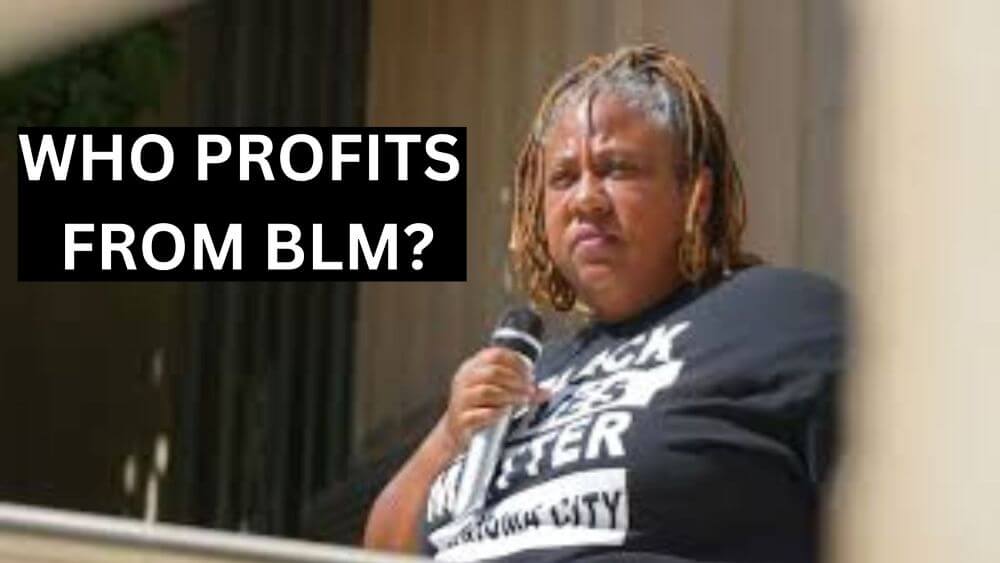
The Black Lives Matter movement emerged in the 2010s as a grassroots effort to highlight systemic racism and police violence against Black Americans. Its core message — that Black lives matter — resonated widely and mobilized millions across the country. But a movement’s message is only as credible as the people entrusted to steward its mission. Recent events involving Tashella Sheri Amore Dickerson and Eric Hall raise troubling questions about leadership accountability and the erosion of public trust in the movement.
A Federal Indictment That Shakes Trust
In December 2025, federal prosecutors indicted Tashella Sheri Amore Dickerson, the long‑time executive director of Black Lives Matter Oklahoma City (BLM OKC), on 20 counts of wire fraud and five counts of money laundering. Department of Justice
According to the indictment, Dickerson allegedly misused millions of dollars in donations that were intended to support bail funds and other movement‑aligned efforts. Prosecutors say that more than $3.15 million in returned bail funds were deposited into her personal accounts and spent on travel, shopping, property, and other personal expenses over multiple years. WSLS
These are serious federal allegations. If proven, they would represent a profound breach of the public’s trust — especially from someone positioned as a leader within a movement built on moral authority and community accountability.
The impact extends beyond this individual case. When leaders are accused of diverting funds meant to uplift marginalized people, it feeds cynicism and gives critics ammunition to dismiss broader calls for justice. It also hurts the very communities the movement is supposed to serve by weakening trust in institutions and community organizations that depend on public support and donations.
A Local Activist’s Misdemeanor and What It Signals
At the same time, Eric Hall, a co‑founder of Black Lives Matter Birmingham, was booked on a misdemeanor domestic assault charge in December 2025. WBMA Local reporting states Hall was arrested on a domestic assault‑family charge and remains presumed innocent until proven guilty. WVTM
Hall has offered his own account of the incident, framing it as an attempt to help a friend experiencing a mental health crisis. https://www.wbrc.com Whether or not this explanation is accurate, the public association of a movement leader with domestic violence allegations — even at the misdemeanor level — does little to inspire confidence among supporters or observers.
We should be clear: activism does not exempt anyone from personal responsibility. A leader’s behavior off the protest line can still deeply affect a movement’s credibility, particularly when that movement claims to champion respect, dignity, and justice for all.
Why Leadership Matters
A social movement thrives not just on passion, but on ethical stewardship. When leaders are perceived as acting contrary to the principles they publicly espouse, it can:
- Erode trust among supporters and donors, making it harder to mobilize resources for future campaigns.
- Provide fodder for opponents who argue that the movement’s calls for reform are hypocritical or unworthy of support.
- Disillusion the very communities the movement seeks to empower, especially when those communities have historically been let down by institutions and leaders.
These issues are not unique to Black Lives Matter — every organization can face leadership challenges — but given the stakes of racial justice work and the national salience of the BLM name, accountability becomes essential.
What Needs to Happen Next
The movement — both at the national and local levels — must take these events seriously. Accountability is not a concession to critics; it is a strengthening of integrity. Concrete steps might include:
- Transparent financial practices, especially for chapters and affiliated organizations handling donations.
- Clear ethical standards and oversight for those in positions of leadership.
- Support structures for leaders to ensure personal conduct aligns with organizational values.
Justice demands not only that systemic wrongs are challenged, but that those who claim to represent justice are themselves accountable.
Ending on a Candid Note
Black Lives Matter as a decentralized movement still represents something profoundly important: a collective insistence that Black lives be valued and protected. But movements are shaped by their leaders in the public eye. When leaders face credible allegations of misconduct — whether financial or personal — the entire cause suffers.
If the movement truly intends to speak for Black communities, it must not only resist injustice outwardly but also demand integrity within.