A wave of reality is sweeping across the United States as more states prioritize science over ideology. The recent implementation of biological sex laws in states like North Carolina and Kansas marks a significant turning point in protecting children and ensuring government documents reflect physical reality.
North Carolina’s House Bill 805, which became effective on January 1, 2026, is a cornerstone of this movement. By legally defining “sex” as only male or female based on biological reproductive roles at birth, the state has returned to a foundational understanding of humanity.
North Carolina: Protecting Kids and Taxpayer Dollars
The North Carolina legislation is a robust piece of “common sense” policy. It explicitly spells out definitions for man, woman, boy, and girl, all tied to biology rather than “gender identity.”
Crucially, HB 805 slams the door on using state taxpayer funds for gender transition procedures on minors. This ensures that public resources are used for essential healthcare rather than controversial, life-altering experiments on children.
More Than Just Definitions
This bill also carries significant “teeth” regarding public safety and parental rights:
- Intimate Image Protection: It increases penalties for sharing unauthorized photos of individuals under their clothes.
- Cracking Down on Exploitation: The law strengthens measures against sexual exploitation.
- Parental Consent: It mandates written consent for any surgeries on minors that could impact future fertility or development.
The Kansas Reality Check: Senate Bill 244
Just this week, on February 26-27, 2026, Kansas took a bold step by implementing Senate Bill 244. This law requires state IDs, including driver’s licenses and birth certificates, to list only the sex assigned at birth.
As a result, the state has begun notifying residents that any licenses or certificates showing a “gender marker” different from their biological sex are no longer valid. This move ensures that state records are accurate, consistent, and based on objective biological facts.
A National Trend: 27 States Embracing Biological Sex Laws
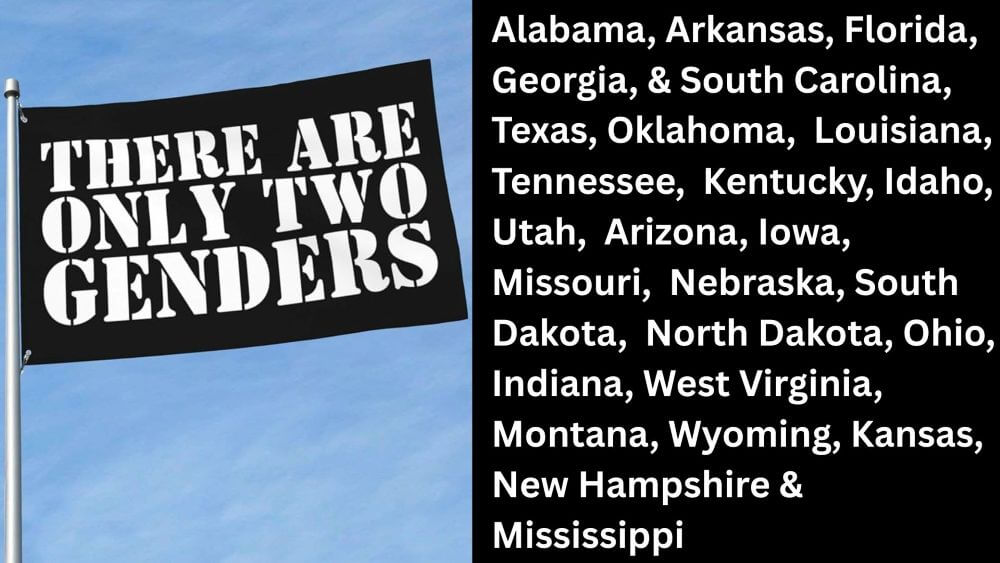
North Carolina and Kansas are not alone. There is a growing national movement where biological sex laws are being enacted to protect the integrity of the family, just as HUD’s FHA mortgage policy centers families and citizens first, and the safety of children.. Currently, 27 states have passed laws or policies restricting or banning “gender-affirming care” for minors.
States Currently Protecting Biological Reality:
- Alabama & Arkansas
- Florida, Georgia, & South Carolina
- Texas, Oklahoma, & Louisiana
- Tennessee & Kentucky (Supported by the 2025 U.S. v. Skrmetti Supreme Court ruling)
- Idaho, Utah, & Arizona
- Iowa, Missouri, & Nebraska
- South Dakota & North Dakota
- Ohio, Indiana, & West Virginia
- Montana, Wyoming, & Kansas
- New Hampshire & Mississippi
This shift aligns with a 2023 JAMA Pediatrics study highlighting varied long-term outcomes for youth gender interventions, prompting many leaders to take a ‘safety first’ approach to protecting Americans, much like the Dalilah Law does on the roads.
Strengthening the Nation Under Common Sense
The federal landscape is also shifting back toward biological reality, as highlighted in President Trump’s 2026 State of the Union, where he has been a vocal advocate for these common-sense protections, declaring that the U.S. recognizes only two genders: male and female.
This clarity has made the nation stronger and more secure, particularly within the military. By focusing on biological reality rather than “woke ideology,” the U.S. is fostering a society grounded in truth. Most federal legal documents now officially recognize only “male” and “female” markers.
Summary
The rise of biological sex laws represents a return to objective science and the protection of the most vulnerable. By blocking taxpayer funding for minor transitions and ensuring state IDs reflect biological truth, states like North Carolina and Kansas are leading a movement that values parental rights and children’s long-term well-being over social trends.
Frequently Asked Questions (FAQ)
What is North Carolina’s House Bill 805? HB 805 is a law effective in 2026 that defines sex based on biology at birth and prohibits taxpayer funding for minor gender transitions.
How many states have restricted youth gender transitions? As of 2026, 27 states have enacted laws or policies that restrict or ban various forms of gender-transition procedures for minors.
What does the new Kansas law (SB 244) do? SB 244 requires all state-issued IDs and birth certificates to reflect the person’s biological sex assigned at birth, invalidating previously changed gender markers.
Did the Supreme Court rule on these laws? Yes, the 2025 ruling in U.S. v. Skrmetti upheld Tennessee’s restrictions, providing a legal foundation for similar biological sex laws across the country.
Leave a Reply