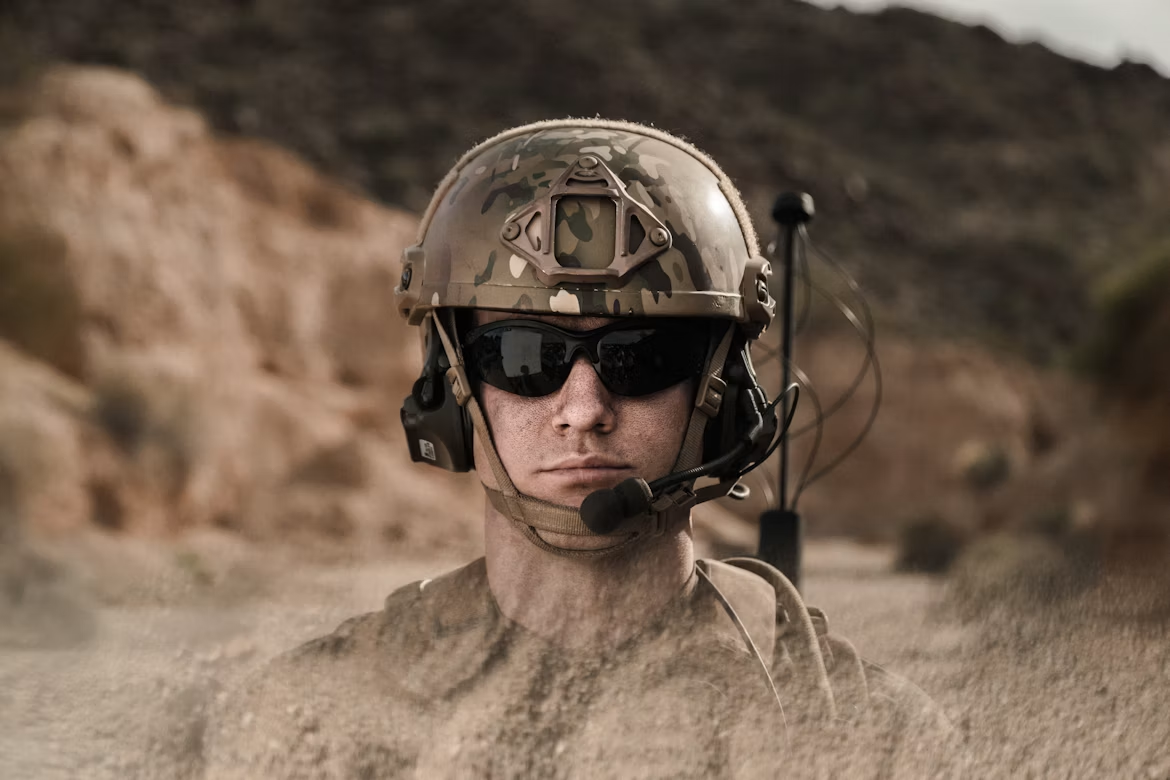
Many of the life-saving tools firefighters, paramedics, and police officers use actually started out in specialized, high-stakes operations. This process, called technology transfer, means taking tools and systems first built for tough environments and adapting them for broader public safety use. The result is gear and software that’s more reliable, effective, and tough. Ultimately, this helps first responders protect our communities more efficiently.
From Specialized Ops to Civilian Use
Technology rarely pops up perfectly formed for just one thing. Often, the strongest new ideas come from a real need in fields where failure just isn’t an option. Take GPS, for example. It was once only for the military, but now it’s essential for everyone, from ambulance drivers finding an emergency to firefighters mapping a wildfire. This “trickle-down” effect happens because the extreme demands of specialized missions, like needing absolute reliability, precision, and durability, create technology that’s “over-engineered” for everyday life in the best possible way. When public safety agencies adopt this tech, it comes with a proven track record of working well under pressure.
Innovations in Protective Wear
Nowhere is this tech transfer more obvious than with protective equipment. The gear first responders wear is always getting better, thanks to materials and design ideas perfected in other demanding areas. Early protective vests were bulky and hard to move in. But modern improvements have brought lighter, more flexible materials that offer better protection without making it hard to move. This progress comes from research into new composites and fabrics, which keeps pushing what’s possible. You can see the latest in safety gear using these advanced materials. This same idea of high-performance design shows up in products from companies like Bifrost Gear, which focus on making tough, useful equipment for all sorts of challenging situations.
Communication Tech for First Responders
During a big emergency, good communication is vital. Cell networks can get swamped or even shut down completely, leaving responders out of touch. To fix this, public safety has started using communication tech designed to work even when things are difficult. Encrypted radio systems stop unauthorized listening, keeping operations secure. Even more advanced are mesh networks, where each device acts as a relay. This creates a self-healing communication web that can cover a large area without needing central towers. This way, different agencies can work together smoothly, sharing real-time information and staying aware of the situation when it matters most.
Data Security in Critical Situations
With more digital tools like body cameras, mobile data terminals, and electronic patient care records, data security has become a huge concern for public safety. The information collected during an incident can be very sensitive, holding personal details or secret operational plans. The rules for keeping this data safe often come from standards developed for intelligence and corporate security. Strong encryption, secure cloud storage, and strict access controls are no longer optional. Setting up these systems correctly is crucial, which is why agencies often look for expert training for solutions to make sure their data setup is both secure and follows all the rules.
Just as emergency services rely on secure systems to protect critical information, organizations of all sizes benefit from following proven ways to protect their technology against cyber threats, data breaches, and unauthorized access. Setting up these systems correctly is crucial, which is why agencies often look for expert training for solutions to make sure their data setup is both secure and follows all the rules.
The Role of Durability in Tech Adoption
A piece of technology is only helpful if it works when you need it. For first responders, that means equipment has to be incredibly tough. Laptops in police cars are “ruggedized” to handle bumps and vibrations. Tablets used by paramedics are often waterproof and can survive drops. This focus on durability comes straight from field operations where equipment faces harsh conditions. Before any new gadget is used, it goes through tough testing to make sure it can handle the physical demands of the job. This dedication to toughness ensures that technology helps, rather than hurts, in a critical moment.
The steady stream of new ideas from specialized fields into public safety is a powerful thing. As technology gets better and more reliable, it gives our first responders the tools they need to handle any challenge, making our communities safer for everyone.