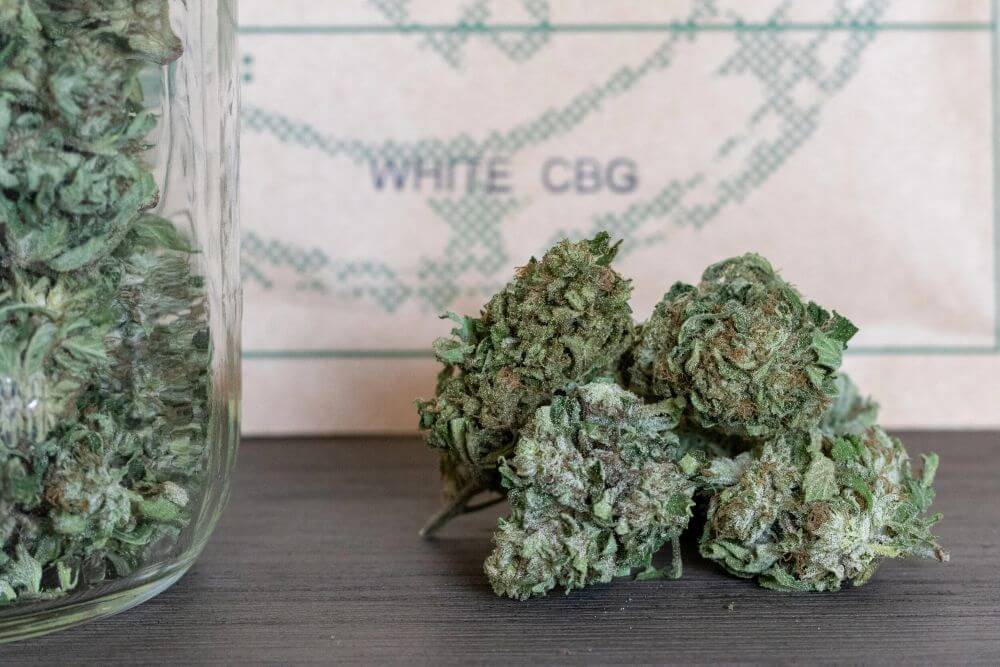
Most people know THC as the compound in cannabis that produces a “high.” Yet the cannabis plant contains more than 100 different cannabinoids, each interacting differently with our bodies. A growing trend in the wellness world involves blending various cannabinoids — like Delta‑8, Delta‑9, HHC, and CBN — to tailor specific effects such as focus, creativity, or relaxation. This article explores how these blends work and what to consider when trying them.
Major vs. Minor Cannabinoids
Cannabinoids interact with the body’s endocannabinoid system, but small changes in molecular structure produce different outcomes. Delta‑9 tetrahydrocannabinol (THC) is the primary psychoactive compound in cannabis and binds strongly to CB1 receptors in the brain. Delta‑8 THC occurs in smaller quantities and has a slightly different double‑bond placement, resulting in milder psychoactive effects. Because Delta‑8 is typically synthesized from hemp‑derived CBD, it falls into a legal gray area and lacks standardised safety testing.
Other cannabinoids, like HHC (hexahydrocannabinol) and THC‑p, are semi‑synthetic and offer different potency levels. HHC users often report a clear‑headed, less anxious high, while THC‑p may deliver a more pronounced effect. Blending these compounds allows manufacturers to fine‑tune products for specific mood states.
Why Blends Are Trending
Consumers are no longer satisfied with the one-note “high” of traditional cannabis. Instead, they’re seeking experiences tailored to relaxation, energy, focus, or creativity. This has led producers to experiment with combining cannabinoids and terpenes into targeted formulas that feel more like craft beverages or specialty teas than generic products.
For example:
- Relaxation blends might pair Delta-8 with CBN (cannabinol) and linalool, a terpene also found in lavender.
- Focus blends may combine THC or THC-v with citrus terpenes like limonene.
- Creativity blends often use Delta-10 with pinene to encourage alertness and inspiration.
Companies such as Mellow Fellow THC have leaned into this trend, offering curated blends designed to evoke specific moods or outcomes. Their formulations highlight how carefully chosen ratios of cannabinoids can provide nuance that a single compound cannot. For curious consumers, these kinds of products represent an accessible way to explore the “entourage effect” without needing advanced knowledge of cannabis chemistry. However, it’s important to look at what the actual properties of each strain are, as the marketing and branding can sometimes seem out of alignment with what you’re purchasing. A Candy Runtz strain guide might give you pause because of the name, but understanding the constituent growth principles behind each option will help you make better purchasing decisions.
Navigating Potency and Safety
Because many minor cannabinoids are synthesised from CBD, regulatory oversight is still evolving. The lack of federal standards means consumers must be cautious. Delta‑8 products, for instance, can contain residual solvents or unknown byproducts. When exploring new blends, look for:
- Third‑party lab testing: Reputable brands publish certificates of analysis to verify potency and purity. This ensures the product contains the advertised cannabinoids and is free from contaminants.
- Clear labeling: Products should specify milligram content per serving and suggest appropriate dosages.
- Responsible dosing: Start with a low dose and increase gradually. Because different cannabinoids have varied onset times, patience is key.
Incorporating THC Blends into Your Wellness Routine
If you’re curious about cannabinoid blends, consider how they fit your lifestyle and goals. For relaxation after a long day, a Delta‑8/CBN gummy may be soothing. For creative tasks, a vape cartridge combining Delta‑10 and limonene could provide a gentle lift. Always check local regulations, as the legal status of these cannabinoids can vary.
Keep in mind that these products are not a panacea. They may interact with medications or exacerbate certain conditions. Consult a healthcare professional if you have concerns. Also, because minor cannabinoids like Delta‑8 are synthesized and less studied, long‑term effects are not fully understood.
Looking Ahead: Research and Market Trends
Scientists are only beginning to map the complex interactions between cannabinoids and other plant compounds. Early studies suggest that the “entourage effect” — the synergistic interaction of multiple cannabinoids and terpenes may enhance therapeutic benefits. For instance, CBD appears to moderate THC’s psychoactivity, potentially reducing anxiety or paranoia in some users. Ongoing clinical trials are exploring blends for pain relief, epilepsy and mood disorders, but comprehensive data is still years away.
On the market side, rapid innovation presents both opportunities and pitfalls. Producers are experimenting with water‑soluble formulas, nanotechnology for faster absorption and targeted blends for specific demographics like athletes or seniors. At the same time, regulatory agencies are scrutinising claims and cracking down on products that mislabel potency or contain contaminants. Staying informed about legislation and choosing brands that prioritise transparency will remain crucial as the industry evolves.
Conclusion
The cannabis marketplace is evolving beyond single‑compound products to sophisticated blends that target specific experiences. Understanding the differences between major and minor cannabinoids, monitoring product quality and starting with low doses can help you explore this new frontier safely. Whether you’re seeking relaxation, focus or creativity, cannabinoid blends offer a personalized journey — just be sure to choose reputable brands and stay informed about emerging research.