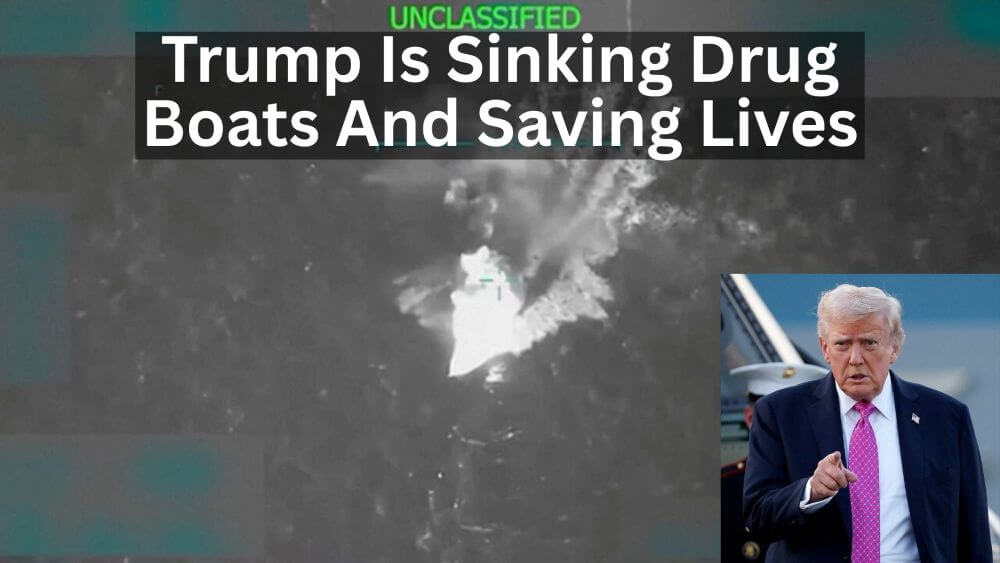
In recent months, a fierce debate has erupted over the Trump administration’s aggressive campaign to intercept and neutralize drug-smuggling vessels in the Caribbean Sea. Starting in September 2025, U.S. military strikes—authorized by Defense Secretary Pete Hegseth—have targeted suspected narco-trafficking boats, resulting in the destruction of over 20 vessels and the deaths of more than 80 individuals. These operations mark a dramatic escalation from traditional interdictions by the U.S. Coast Guard, which historically focused on seizing cargo and detaining crews. Critics, including lawmakers from both parties, have raised alarms about the legality of these strikes under international law, potential violations of due process, and even accusations of war crimes in cases where follow-up attacks targeted survivors. Yet, I wholeheartedly support this measure. In the face of a relentless drug epidemic that claims tens of thousands of American lives each year, these actions represent a necessary defense of our nation’s sovereignty and its people.
The Devastating Toll of the Drug Crisis
America’s battle with drugs is not hyperbole—it’s a national emergency more insidious than any foreign invasion. Provisional data from the Centers for Disease Control and Prevention (CDC) shows that drug overdose deaths, driven largely by fentanyl and other synthetic opioids, reached approximately 110,000 in 2023 but began a welcome decline to around 80,400 in 2024—a nearly 27% drop. Early 2025 figures suggest this downward trend continues, with roughly 77,000 to 82,000 deaths in the 12 months ending in January. While not the “hundreds of thousands” annually that some headlines sensationalize (a figure more reflective of cumulative losses since 1999, exceeding 1 million), the annual toll remains staggering: about 220 lives lost every single day in 2024 alone.
To put this in perspective, consider the human cost of America’s longest wars. The combined U.S. military fatalities in Iraq and Afghanistan over two decades totaled just over 7,000—a tragedy, to be sure, but a fraction of what drugs inflict in a single year. This crisis isn’t waged with tanks or missiles; it’s fought in our streets, homes, and hospitals, eroding families, economies, and futures. Fentanyl, often smuggled via these Caribbean routes from South American cartels, accounts for the majority of these deaths, with over 250,000 Americans lost to it since 2021. It’s a slow-motion assault that demands a robust response.
The Trump Administration’s Duty to Protect
President Donald J. Trump’s second term has prioritized this fight, fulfilling a core constitutional mandate: to “provide for the common defense” and protect American citizens from existential threats. The administration’s strategy—designating major cartels like Sinaloa and Jalisco New Generation as foreign terrorist organizations in the 2025 National Drug Threat Assessment—reframes drug trafficking as narcoterrorism. By authorizing precision strikes on high-seas vessels, the U.S. is disrupting supply lines before they reach our shores, a tactic Trump has boldly defended as self-defense against an “invasion” of poison.
Early indicators suggest real momentum. U.S. Customs and Border Protection (CBP) reported a surge in drug seizures in August 2025, crediting enhanced interdiction efforts under Trump’s leadership. While the boat strikes are a recent innovation, they build on broader policies—like executive orders targeting urban crime and disorder—that have correlated with stabilizing overdose rates. On the streets, communities are seeing fewer fentanyl-laced pills flooding in, which could contribute to saving thousands of lives if the trend holds. President Trump has claimed each strike prevents up to 25,000 deaths by thwarting massive shipments—a figure experts debate as inflated—but the underlying math of disruption is sound: fewer boats mean less product reaching users.
Shifting the Calculus for Narcoterrorists
From the cartels’ vantage point, the game has changed irreversibly. For decades, smugglers operated with impunity. Crews caught in U.S. waters faced clogged court dockets, generous bail provisions, and light sentences—often just a few years behind bars, after which they returned to their deadly trade. This revolving door emboldened the narcoterrorists, turning American justice into a minor cost of doing business.
No longer. Under this new doctrine, interception isn’t a slap on the wrist; it’s a terminal risk. Military strikes eliminate threats at sea, bypassing lengthy prosecutions and ensuring perpetrators pay the ultimate price for endangering lives. The deterrence is stark: Why board a go-fast boat loaded with fentanyl when it could mean certain death rather than a plea deal? As one Pentagon official framed it, these operations assert that “narco-terror is terror,” and America will respond in kind. Cartels, already strained by internal violence and economic pressures, must now weigh existential risks against profits—a equation that could fracture their operations.
The Political Pushback: A Familiar Divide
Of course, not everyone sees it this way. Senate Democrats have demanded Justice Department briefings on the strikes’ justifications, questioning their compliance with international norms and calling for war powers resolutions to rein in executive overreach. Bipartisan lawmakers, including some Republicans, echo concerns about transparency and the strikes’ proportionality, especially after reports of lethal follow-ups on survivors. This criticism isn’t new; it’s a pattern where progressive voices prioritize procedural safeguards over the raw urgency of saving lives, often framing traffickers as victims of systemic inequities rather than predators preying on the vulnerable. While oversight is vital in a democracy, the optics of defending drug runners amid a body count of 80,000 innocents annually feel tone-deaf at best.
A Path Forward: Eradicating the Poison
The road ahead is fraught, with ongoing congressional reviews and potential legal challenges testing the strikes’ viability. Yet, as Trump’s term progresses, the imperative remains clear: We must eradicate this scourge from American streets. Even if full victory eludes us, each disrupted boat and seized kilo buys time—time for families to heal, communities to rebuild, and lives to be spared. I think that supporting these measures isn’t just patriotic; it’s pragmatic. Let’s stand with the administration, demand accountability where needed, and ensure that 2025 marks a turning point in America’s war on drugs.