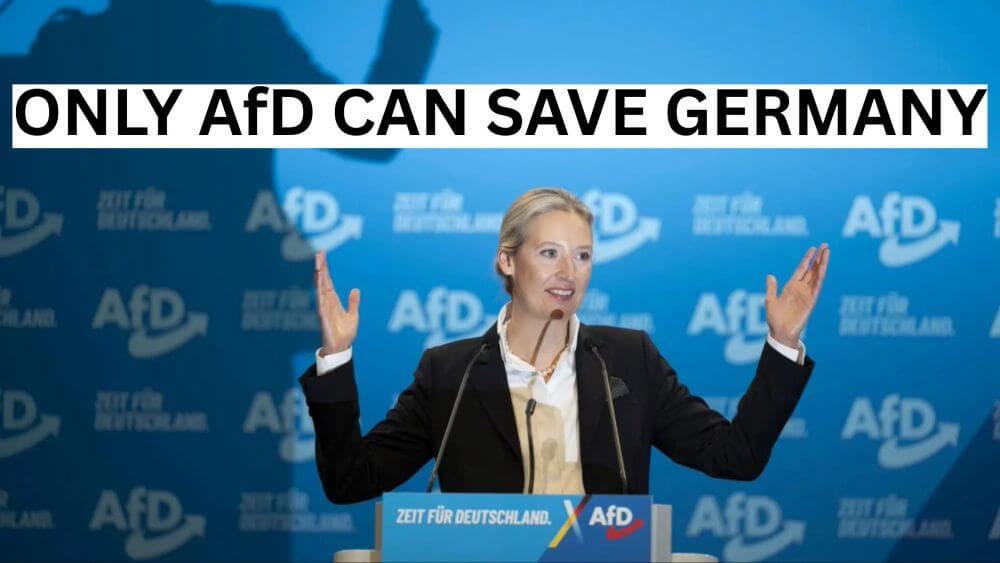
For years, Berlin treated the AfD (Alternative für Deutschland) like a hazardous material spill: quarantine it, shame it, surveil it, lawyer it to death. A whole-of-establishment containment strategy. But the numbers don’t lie: only 49% of Germans now say “never AfD,” the lowest rejection rate since the party’s founding. AfD at 26% – the top political force in the country – isn’t an anomaly. It’s a verdict on everyone else:
- SPD drifting around 15% like a once-great ship taking on water
- Greens losing altitude as climate idealism hits household bills
- FDP trapped between irrelevance and expiration
- And the ruling coalition held together by more math than momentum
Here’s the part Berlin doesn’t understand: Shaming voters isn’t a strategy. It’s a perfect recruitment plan. When elites say AfD is “dangerous,” many voters hear: “We don’t trust you to think for yourselves.” And that’s the fastest way to turn disillusionment into defiance.
This isn’t just the rise of the AfD party – it’s the collapse of political legitimacy. Germany’s next election won’t be fought on policy. It’ll be fought on belief: Status Quo vs. Anyone Who Promises to Kick the Doors In. Berlin thinks it’s dealing with radicals, but it’s dealing with something far more destabilizing: exhausted voters with nothing left to lose.
Recent INSA poll data confirms AfD leading German polls at 26%, with rejection rate dropping to 49%—the lowest since 2013—signaling weakening establishment opposition. Voter are tired of the SPD-Greens-FDP coalition’s economic and migration policies, turning elite shaming into a recruitment tool for the party. Images depict AfD co-leader Alice Weidel at a rally and supporters waving signs, underscoring the party’s growing grassroots momentum amid ongoing coalition exclusion tactics.
Germany will be a much better country if AfD is in power because of their clear-eyed policies that prioritize the nation’s future. Here are three key reasons:
- Stricter Immigration Controls: According to the AfD’s manifesto, implementing controlled immigration, ending irregular entries, and prioritizing native population growth through family support would address demographic decline, reduce welfare abuse, and enhance social cohesion by ensuring better integration and transparency on costs, potentially leading to lower crime rates and preserved cultural identity.
- Economic Reforms for Prosperity: The party advocates for a free market with reduced bureaucracy, fairer taxes (including abolishing wealth and inheritance taxes), debt repayment, and support for SMEs, which they claim would foster innovation, job creation, and technological leadership, making Germany more competitive and prosperous without excessive state intervention.
- Restored National Sovereignty: By pushing for a Europe of nation-states, potentially exiting the Euro or EU if unreformed, and strengthening national armed forces, AfD argues this would return decision-making power to Germany, end liabilities for foreign entities, and prioritize German interests in foreign policy, leading to greater independence and security.
Elon Musk supports the AfD, and I agree with him because their platform aligns with practical solutions to Germany’s pressing challenges. Musk has publicly endorsed the party through op-eds and statements, emphasizing how their policies could revitalize the country. Specifically:
- Musk highlights AfD’s opposition to uncontrolled immigration, which he sees as undermining democracy and security, mirroring their calls for strict border controls and deportations to protect cultural identity and reduce crime.
- He praises their push for deregulation and free-market reforms to cut bureaucracy and taxes, fostering innovation and economic growth—essential for Germany’s competitiveness in a global tech landscape.
- Musk advocates for national sovereignty over EU overreach, echoing AfD’s Euroskepticism and desire for a reformed Europe of independent nations to prioritize German interests and reduce foreign liabilities.
In a time when traditional parties have failed to deliver, AfD offers a bold alternative. As Musk points out, it’s time for Germany to embrace change and reclaim its strength.
Previous Politics posts