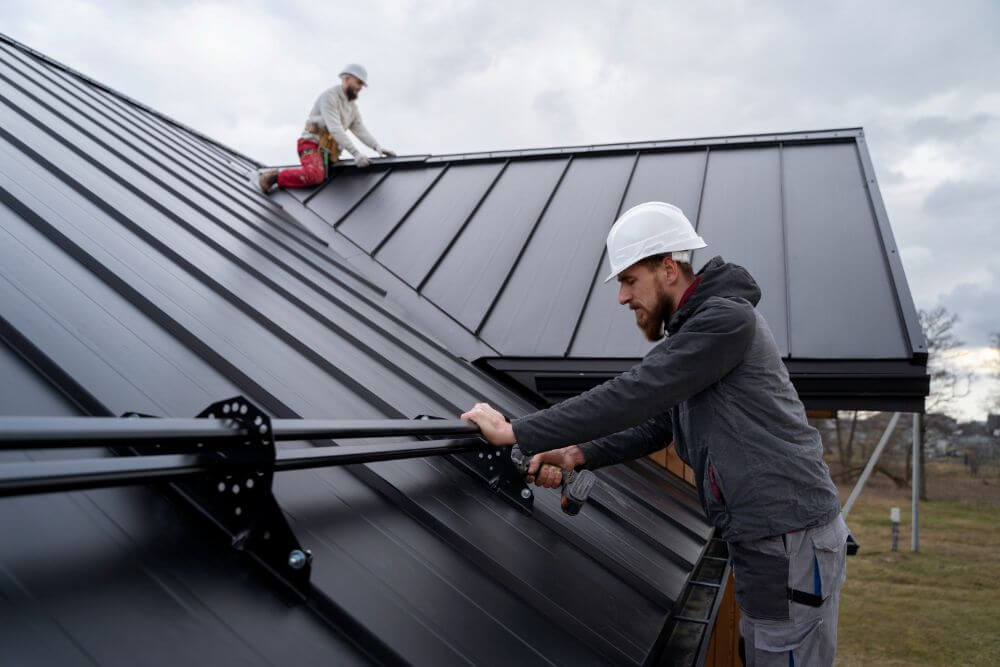
Metal roofing has become an increasingly popular option for commercial buildings. In fact, many small business owners consider it because of its durability, weather resistance, and potential long-term cost savings. Unlike some traditional roofing materials, metal systems are designed to last for decades when properly installed and maintained.
However, switching to a metal roof involves more than simply choosing a new material. Structural considerations, installation methods, and long-term maintenance planning all play a role in determining whether the investment will truly benefit the business. Understanding these factors early can help owners avoid unexpected costs and delays.
This article highlights several important things small business owners should know before installing a metal roof.
1. The Building’s Structure Must Support the Roof
One of the first things contractors evaluate before installing a metal roof is the building’s structural capacity. Every structure has limits on how much weight it can support, and roofing systems contribute to those loads. In addition to the weight of the roofing material itself, buildings must also withstand environmental factors such as wind pressure, snow accumulation, and maintenance activity.
Because of this, you must review information related to metal roof load capacity before finalizing roofing plans. Load capacity generally refers to the maximum stress a roof system can safely withstand without compromising its structural integrity. It includes both permanent loads—such as panels, insulation, and framing—and temporary loads, such as weather conditions.
Companies like Butler MFG Parts supply components that align with these engineering principles. Properly engineered panels, fastening systems, and structural supports work together to distribute weight evenly across the building.
2. Upfront Costs Are Higher, but Lifespan Is Longer
Many small business owners initially hesitate when they see the upfront price of metal roofing. Compared with traditional roofing materials, metal panels often require a larger initial investment. This can include materials, specialized installation, and, if necessary, structural adjustments.
However, the longer lifespan of metal roofs often offsets this cost over time. Traditional roofs may require replacement every couple of decades, while metal roofs can last significantly longer when properly maintained. This means fewer replacement projects, less disruption to business operations, and potentially lower overall costs over the life of the building.
3. Weather Resistance Is a Major Advantage
Another important reason businesses choose metal roofs is their ability to handle harsh weather conditions. Commercial buildings are exposed to wind, heavy rain, temperature changes, and, at times, snow accumulation. Roofing materials must withstand these forces without deteriorating quickly.
Metal panels are engineered to resist many of these stresses. Their strength and design allow them to maintain performance even in challenging environments. When installed correctly, they help protect the building’s interior from water intrusion and structural damage.
This durability reduces the need for frequent repairs and helps businesses avoid unexpected maintenance expenses.
4. Installation Expertise Matters
Even the highest-quality roofing materials can fail if installed incorrectly. Metal roofing requires specific installation techniques, including proper fastening systems, panel alignment, and sealing methods. Contractors must understand how the components interact to ensure the roof performs as intended.
Improper installation can lead to leaks, loose panels, or structural strain that develops over time. Because of this, many business owners prioritize hiring contractors who have experience working with metal roofing systems. Professional installation helps ensure the roof performs efficiently and reduces the chances of costly issues appearing later.
5. Energy Efficiency Can Benefit Your Building
Metal roofs are often chosen for their energy-saving potential. Many metal panels reflect sunlight rather than absorb it, helping reduce heat buildup inside the building. This reflective property may contribute to lower cooling costs during warmer months.
In commercial spaces where climate control systems run continuously, improved energy performance can make a noticeable difference. When paired with proper insulation, metal roofing systems can support more stable indoor temperatures and reduce strain on HVAC equipment.
Over time, these energy savings can add to the overall value of the investment.
6. Maintenance Still Plays an Important Role
Although metal roofs are known for durability, they still require periodic maintenance. Routine inspections help ensure fasteners remain secure, seals stay intact, and panels continue to function as designed. Catching small issues early can prevent more significant problems later.
Maintenance schedules are typically less demanding than for other roofing materials, but they remain an important part of preserving the roof’s lifespan. Business owners who stay proactive with inspections often experience fewer disruptions and lower long-term repair costs.
Conclusion
Metal roofing can be a strong investment for many small businesses, but the decision requires thoughtful planning. Structural requirements, installation quality, energy performance, and long-term maintenance all influence the project’s success. By understanding these factors before installation begins, business owners can make more informed decisions and ensure their roofing system supports their building’s needs for many years to come.
Leave a Reply